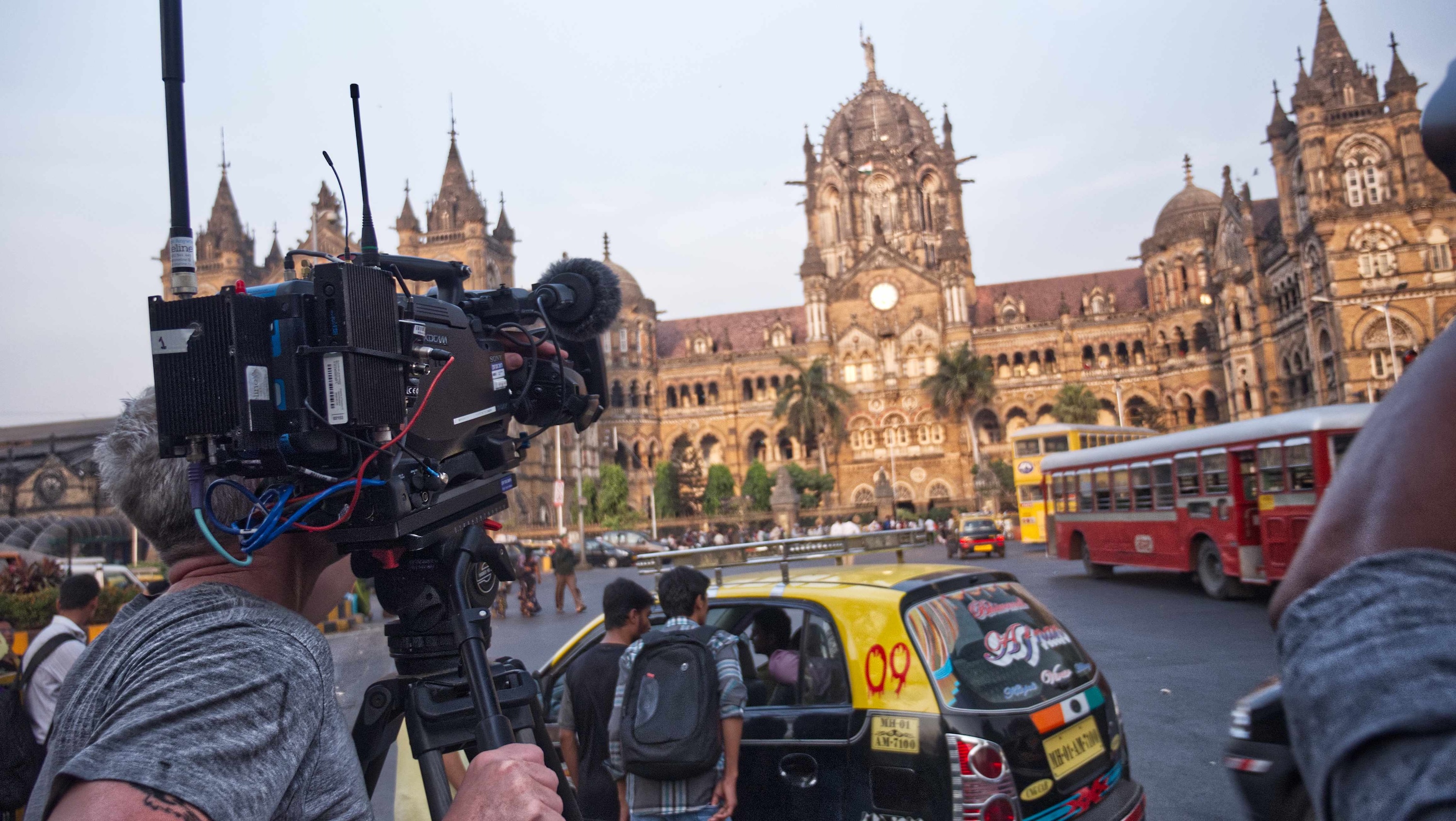
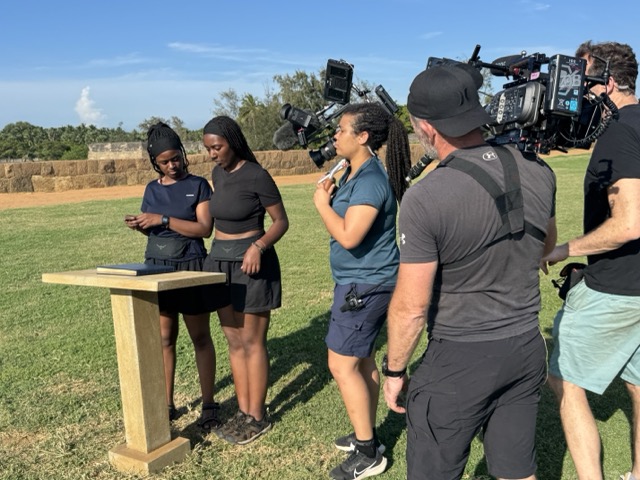
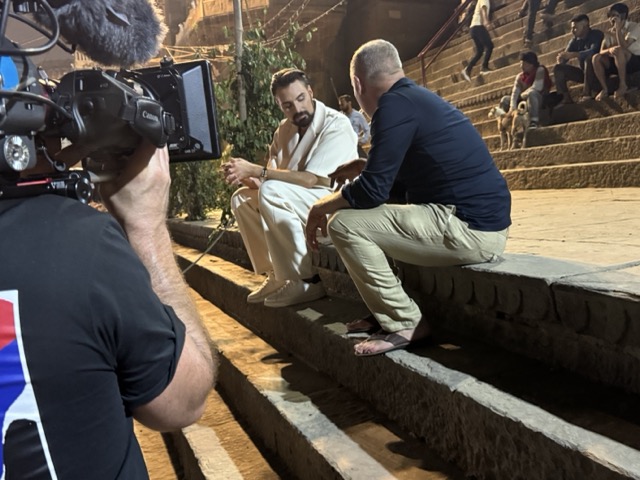
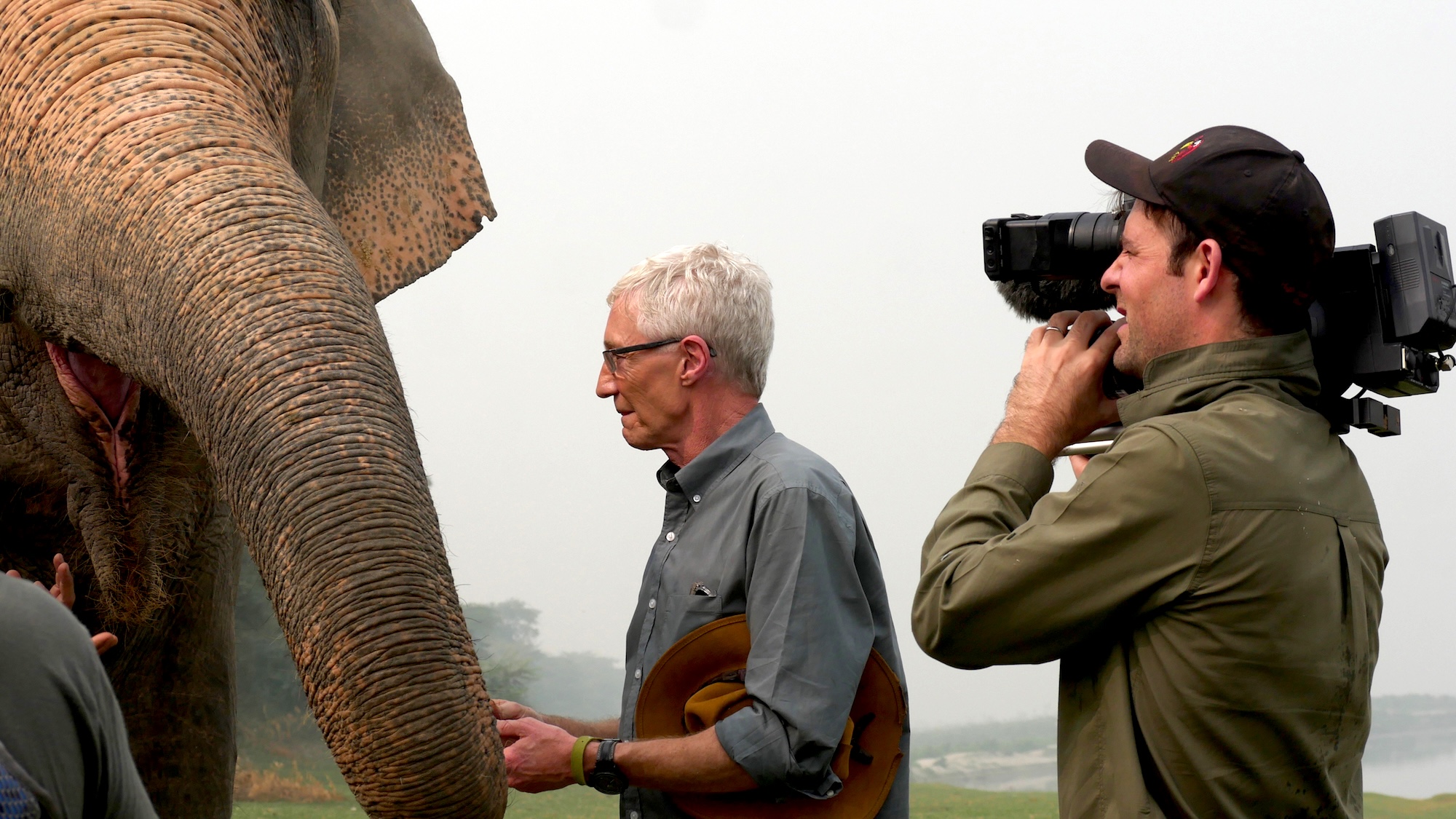
Planning to shoot in India? You will need permits. For everything. And if you think you can just land up with a camera and start filming - think again.
True story.
We had already spent 15 days chasing a government permit. Every document submitted. Every box ticked. All that remained was one final signature from the Big Boss.
We reached his office at 9:30 AM. He arrived at 11:30 AM
“Just wait five minutes,” said his PA.
We waited...and waited some more.
Hours passed. Files moved. People vanished for chai. We were not summoned.
2 PM: chai and cookies for lunch. Too risky to step out. 6 PM: sweaty, hungry, mildly delirious. No AC. More chai. “Five minutes.” 8 PM: 45 cups of chai in. Life choices under review.
My British assistant producer—previously in love with India—was beginning to understand what “five minutes” really means.
We were filming the very next day. The presenter’s last day in India. Bricks were shat!
At 10:30 PM, the boss finally returned, glanced at our paperwork… and signed.
Stamped. Done!
We walked out like heroes. Permit in hand. Shoot saved. Reputations intact.
In India, you don’t wing it. You wait it out.
The 3 Ps of Permits
- Patience – It will take time. A lot of time.
- Pestering – It will take relentless follow-ups.
- Pounds (Paisa, Dollars, Pesos) – It won't be cheap, and India throws up costs you won't see coming. After two decades here, we know how to budget for the real world, not the ideal one, and keep your shoot on the right side of everything.
Last-minute rush jobs should be avoided, but even with all the planning, the system can test your sanity.
Why Is It So Complicated?
International crews also need to understand one thing: issuing filming permits is not an official’s primary job. It’s extra work. It carries risk. If something goes wrong, it can cost the official his job. In the larger scheme of things - our shoot means nothing to them. Approach every officer with humility and the awareness that we are interrupting their day and he is risking his retirement pension.
Indian government's federal structure doesn’t make things easier. Some permits come from the central government, some from state governments, and sometimes you need both.
Here’s a brief glimpse into the permit madness:
Filming in India Permit – The mothership. Without this, nothing moves. Unless you have this permit in hand (which can take about 10 weeks) you can’t apply for any other permits (monuments, National Parks, Railways, local city permits). Crew and cast visas can be applied for only after you've received this permit - so don't book your flights yet. A well-planned India shoot needs you to start working on permit paperwork starting six months out.
Archaeological Monuments – Permits for major monuments like the Taj Mahal are granted by the Archaeological Survey of India (ASI) while some like Jantar Mantar in Jaipur by the State Archaeology Department. Think that's complicated enough? Some palaces and forts are owned by erstwhile royal families, and most temples in the south require both ASI and the temple board permits. Online permit systems exist, but don't count on them working without someone physically following up in person. Most ASI and State Archaeology permits have fixed rates but private monuments can be expensive.
National Parks & Wildlife – Central Forests and Environment Ministry first, then state forest departments. Can easily take a month. Want to film tigers? Some more clearances are required. Is the wild animal you want to shoot outside the park? You'll still need a NOC from the State Forest Departments. Park fees are charged per day with additional fees for cameras and crew members.
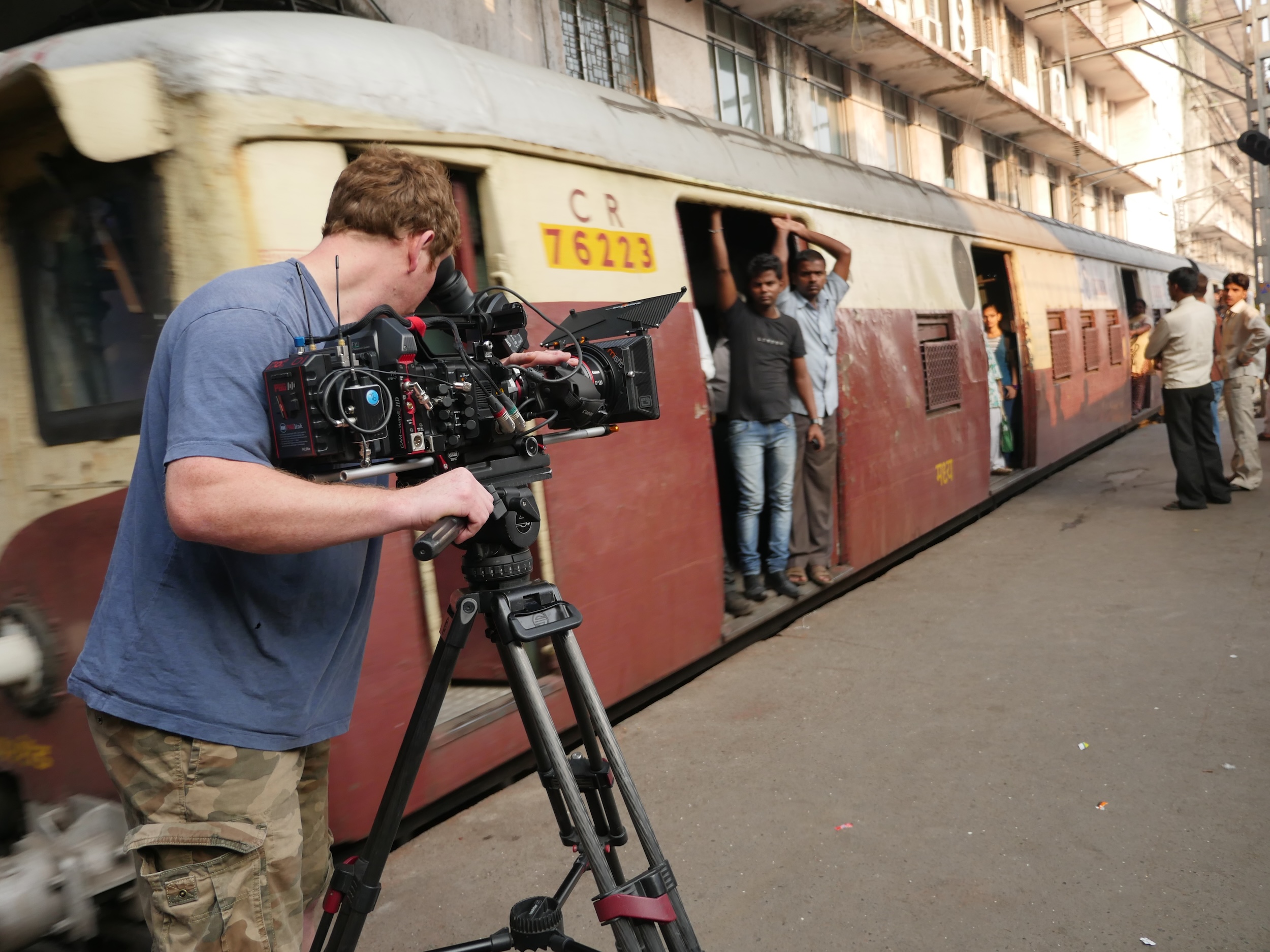
Railways – Start with the Railway Ministry in Delhi and then apply to zonal offices. Allow at least a month. Big city trains and stations cost more than small town/rural trains. Want to film the madness of Mumbai city trains - will cost you more than a business class return ticket to London.
And then there’s Mumbai. The capital of Bollywood. Also the Capital of Complicated Permits. Want to shoot at the Gateway of India? You’ll need permissions from five different authorities. Yes, five.
And yes - ports, airports, city permits, police permits for drones, private property...everything requires permits.
Permit costs for a standard documentary shoot across multiple locations can easily run into $5,000–$15,000 before you've paid a single crew member. Someone from our team will need to chase these permits in person—which means multiple visits to various office(s) and multiple cups of chai over many days.
And the job doesn’t end once the permit is granted.
You need to know who to show it to, when to show it, and who signs it off before and after the shoot.
A production company from the UK decided not to retain us after we secured their permits. Their series - you'd recognise the presenter - was sponsored by a travel brand. They were going "around the world" filming this travelogue - not with fixers but tourist guides.
“Our travel guide will handle it.” They wanted to save on paying us our shoot day fee.
On the day of the shoot, the guide had the permit and absolutely no idea what to do with it. They weren't allowed access to the main location.
Precious shoot hours were wasted and they almost didn’t travel the world in 80 days (hint, hint). Permits in hand are useless if no one knows what to do with them.
Winging It (Yes, It Happens)
Sometimes you just can’t get permits. You don't have enough time or not enough budget. Or plans change mid-shoot.
A quick walk-and-talk. A b-roll shot. A last-minute idea.
So what do you do?
You wing it.
Some days, you’ll film freely and no one will bat an eyelid. Other days, you’ll meet a cop at every corner.
Often, if you’re polite and say you’ll be quick, they let you go. Sometimes they even help with crowd control.
And sometimes… they don’t. If denied informal permissions - leave gracefully and quickly! We don't want the footage deleted or to pay steep fines.
India vs The Rest of the World
It’s unrealistic to expect the permit process here to be simple or predictable like in your country. In the UK, a single fixer call can sort a street shoot in 48 hours. In India, the same shot could involve three departments and six weeks.
India is a giant ball of red tape. Your fixer is cutting through it with a blunt pair of scissors.
The complexity comes from layers of governance, bureaucracy, risk-averse officials, and a massive local film industry known to be disruptive. All shoots are seen with the same jaundiced lens - a shoot means disruption, large crews, dancing on streets, Winnebagos with film stars, entourages - the works.
That said, things are improving. Some states (like Goa) have introduced single-window systems. There are efforts to streamline the process nationally.
But we’re not quite there yet.
If you're doing this properly — and you should — here's what that looks like:
The Permit Route
- Give your fixer time. If your fixer says one month, give them two.
- Budget properly - India is not always cheap. Ask your fixer before working on the budget.
- Be prepared for last-minute approvals. Trust your fixer.
And if circumstances force your hand:
The Winging Route
- Keep crew sizes small
- Stay low-key. Don't create a spectacle.
- Handheld cameras or cine-saddle only. Tripods are a crowd magnet.
- Be polite - especially to the police.
- If caught, smile and apologise, appear clueless.
India will test your patience. But when it works, it really works. And when it doesn’t… there’s always chai.
If reading this made you slightly anxious about your India shoot - good. That means you're taking it seriously. We've been navigating this for over 20 years. Let's figure out your permits together before the clock starts working against you. Schedule a call or drop us an email. The earlier we talk, the more we can do for your shoot.